Cordless vs Manual Valve Actuation: A Guide for Engineers
For operations and maintenance engineers in water, energy, mining and utilities, selecting the right valve actuation method directly affects safety, efficiency and operating costs. Valve actuation is the process of opening or closing a valve. The traditional approach uses manual actuators operated by hand with levers, wheels or gears. A newer alternative is the cordless valve actuator, a battery-powered tool that applies torque directly to the valve stem or operating wheel, eliminating the need for manual turning. This article compares cordless and manual valve actuation across the factors that matter most in the field: safety, speed, labour savings, torque consistency and total cost of ownership.
How Manual Valve Actuation Works
Manual valve actuators are simple, reliable and inexpensive. They do not require any external power source. An operator rotates a handwheel, turns a lever or uses a wrench to open or close the valve. For large valves or those under high pressure, this can involve many turns and significant physical effort. Manual valves are best suited to infrequent maintenance isolation where the valve is operated fewer than twelve times per year. They are also appropriate when permanent operator access is available and there is no requirement for safety-integrity-level (SIL) or emergency-shutdown (ESD) functionality. The upfront capital cost of a manual valve is low compared with automated alternatives. Maintenance is minimal because there are no motors, gear trains or control systems to service. However, the physical demands of manual actuation can lead to repetitive strain injuries among maintenance crews, especially when valves are stiff, seized or located in awkward positions. In large-diameter pipelines or high-torque applications, more than one person may be needed to operate a single valve.
How Cordless Portable Valve Actuators Work
Cordless valve actuators are battery-powered portable tools that replace the manual handwheel turning process. They apply controlled torque directly to the valve stem or operating wheel, allowing a single operator to open or close valves that would otherwise require significant physical exertion. Because they run on battery power, operators can move freely without the restrictions of air hoses or hydraulic attachments. Many models feature a soft-start trigger that helps manage reaction force safely, reducing the risk of injury during operation. These tools are not permanent valve actuators. They are brought to the valve when needed and removed after use, making them a flexible solution for plants with numerous valves that require only occasional operation. Cordless torque multipliers are particularly valuable in remote or hazardous locations where running power or compressed air lines would be impractical or costly.
The most immediate difference between cordless and manual valve actuation is the physical effort required. Manual actuation demands that an operator physically rotate the handwheel, often needing multiple turns that can cause repetitive strain injuries. In industrial settings, workers may need to apply high force to break a seized valve loose, which introduces the risk of sudden release and hand or arm injury. Cordless torque multipliers eliminate the need for direct physical turning. The operator positions the tool on the valve, activates the trigger, and the motor handles the torque. The soft-start trigger allows gradual torque application, reducing the chance of uncontrolled handle kickback. Because the operator can stand clear of the valve while the tool operates, cordless actuation improves safety when working with high-pressure or hazardous fluids.
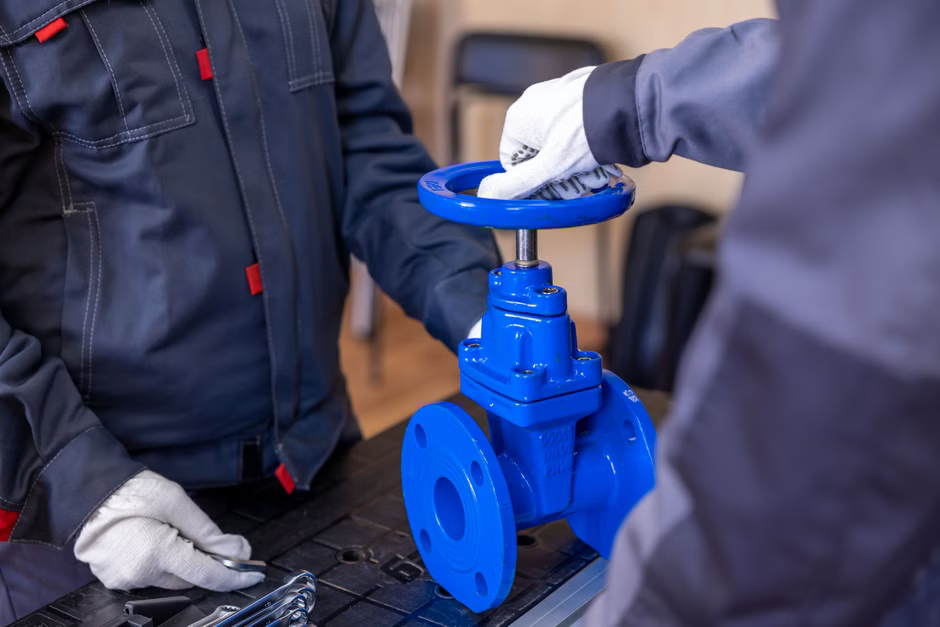
Comparing Safety and Physical Effort
Speed and Labour Efficiency
Manual valve actuation is inherently slow. For a valve that requires dozens or hundreds of handwheel turns, opening or closing it can take several minutes of continuous effort. During plant shutdowns or emergency events, every minute counts. Cordless torque multipliers operate at faster rotational speeds, completing the same number of turns in a fraction of the time. This speed advantage translates directly into labour savings, as fewer personnel are needed for valve operations and those personnel can complete more tasks in a shift. Speed also matters during routine maintenance. A single operator with a cordless tool can perform valve cycling checks that previously required two or three people. In plants with hundreds of isolation valves, the cumulative time saved can be substantial.
Torque Consistency and Repeatability
Manual actuation relies entirely on the strength and technique of the operator. Two different workers may apply different amounts of torque to the same valve, and the same operator may apply inconsistent torque when fatigued. This variability can lead to under-tightening (leakage) or over-tightening (valve stem damage). Cordless valve actuators provide consistent torque output regardless of who is operating the tool. Many models offer multiple torque settings, allowing the engineer to dial in the exact torque needed for each valve. This repeatability is especially important for valves that are part of a regular maintenance schedule where consistent seating pressure is required to maintain seal integrity and prevent fugitive emissions.
Total Cost of Ownership
When evaluating total cost of ownership, the decision between cordless and manual actuation involves more than the purchase price. Manual valves themselves have low upfront cost, typically much less than permanently installed electric, pneumatic or hydraulic actuators. Electric actuators can cost three to ten times more than manual valve operators upfront. Cordless portable valve actuators occupy a middle ground: they are more expensive than a simple handwheel but far cheaper than installing permanent actuators on every valve in a plant. Ongoing costs differ as well. Manual valves require little maintenance, but the labour cost of operating them can be high over the life of the plant, especially when valves are operated frequently or are difficult to access. Cordless tools require periodic battery and tool servicing, but the labour savings from faster, single-person operation often offset these costs within the first year of use. Consider also the indirect costs of manual actuation: lost time during emergencies, injuries from overexertion, and the expense of sending multiple crew members to a remote valve site. In these situations, a cordless torque multiplier can pay for itself quickly.
When to Choose Manual Valve Actuation
Manual actuation remains the right choice for many applications. According to a common engineering guideline, keep a manual valve if it meets these criteria: the valve is operated fewer than twelve times per year, permanent operator access is available, and there is no SIL or ESD requirement. Manual valves are also ideal for small-bore lines where handwheel torque is low and operation is straightforward. When the operating environment is clean, the valve is easily reached, and the operator can safely apply the required torque without risk of injury, manual actuation is cost-effective and reliable.
When to Choose Cordless Valve Actuators
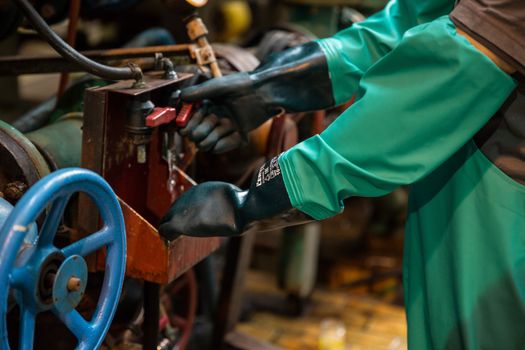
Cordless valve actuators become advantageous when the valve is operated more than once per day, when the operator must work in a hazardous area, or when the valve is located in a remote position that makes it difficult to bring multiple crew members or heavy support equipment. They also make sense when there is a need for remote operation, because the operator can stand away from the valve during actuation, or when emergency shutdown capability is required but permanent actuation is not justified. Many facilities adopt cordless torque multipliers as a shared tool for the maintenance team. Teams can bring the tool to valves throughout the plant without the expense and infrastructure of installing dedicated actuators. This approach reduces upfront capital expenditure while still delivering the safety and efficiency benefits of powered actuation.
Frequently Asked Questions
Can a cordless valve actuator replace a permanently installed electric actuator?
No. A cordless valve actuator is a portable tool brought to the valve when needed and removed afterwards. It is not a permanently mounted actuator and cannot provide continuous modulating control or automated emergency shutdown. For valves that require frequent or remote-automated operation, a permanently installed electric, pneumatic or hydraulic actuator is still necessary.
How many turns can a cordless valve actuator handle per battery charge?
Battery life depends on the torque setting, valve resistance and ambient temperature. Exact runtime figures vary by manufacturer and model. Engineers should refer to the specific battery specifications provided by the tool supplier. In general, a single battery pack can operate multiple valves at moderate torque before needing replacement or recharging.
Are cordless valve actuators safe to use in hazardous areas?
Some cordless torque multipliers are rated for use in potentially explosive atmospheres. Operators should verify that the tool carries an appropriate ATEX or IECEx certification for the classified zone in which it will be used. A tool without the correct hazardous-area rating must not be used in those environments.
What torque range do cordless valve actuators cover?
Is regular maintenance required for cordless valve actuators?
Torque ranges vary by model. Common industrial tools cover outputs from approximately 20 Nm up to 950 Nm, with optional adaptors extending the working range. Engineers should select a tool that matches the maximum required torque of the largest valve in their plant plus a safety margin.
Yes. Like any power tool, cordless valve actuators require periodic servicing of the battery packs, but the motor and gearbox are maintenance free. The frequency of maintenance depends on usage intensity. Regular calibration checks are important to ensure the tool delivers accurate torque output and remains safe to use.